

frosted glass office partitions
The Importance of Safety Caps for 20-28mm Plastic Rebar A Comprehensive Overview In the construction industry, safety is paramount, especially when dealing with materials such as rebar, which is often used to reinforce concrete structures. One innovative solution that has gained traction in recent years is the use of plastic safety caps for rebars, particularly those sized between 20-28mm. These safety caps serve a critical purpose by providing protection for both workers and the integrity of the construction site. What Are Plastic Rebar Safety Caps? Plastic safety caps are designed to fit securely over the exposed ends of rebar, which are often sharp and can pose a serious risk of injury. When rebars are cut or placed in position, their sharp ends protrude, creating hazards for workers who may inadvertently come into contact with them. The safety caps are engineered to cover these exposed sections, significantly reducing the risk of cuts, punctures, and other injuries. Manufactured from durable polyethylene or other robust plastics, these caps are lightweight, resistant to weather elements, and durable enough to withstand harsh job site conditions. When designed for rebar sizes ranging from 20 to 28mm, they fit snugly to ensure that they do not easily dislodge, providing reliable safety throughout the construction process. Protecting Workers and Enhancing Site Safety One of the most compelling reasons for using plastic safety caps is to enhance worker safety. Construction sites are inherently dangerous, and even minor injuries can result in significant time lost or even worse, long-term injury. By capping the ends of rebars, contractors can minimize the risk of accidents, thereby creating a safer work environment. Studies have shown that implementing safety measures, such as using rebar caps, can greatly reduce workplace injuries. In addition, having a site that prioritizes safety can improve worker morale and productivity. Employees are more likely to perform well when they feel secure in their working environment, and this translates to a more efficient construction project overall. 20-28mm plastic rebar safety cap Compliance with Safety Regulations Construction companies are often required to adhere to strict safety regulations set forth by governmental and industry bodies. The Occupational Safety and Health Administration (OSHA) and other regulatory agencies mandate that employers take proactive measures to ensure the safety of their workers. This includes the proper capping of exposed rebar ends. Failure to comply with these regulations can result in hefty fines and legal repercussions, not to mention the negative impact on a company’s reputation. By utilizing plastic safety caps for rebar, companies can not only meet these requirements but also demonstrate their commitment to worker safety. This proactive approach can enhance a company’s standing in the industry and attract clients who value corporate responsibility. Environmental Considerations Another angle worth considering is the environmental impact of plastic safety caps. With increasing awareness around sustainable practices in construction, manufacturers are responding by creating caps from recycled or more sustainable materials. This shift not only reduces waste but also aligns with global efforts to minimize the environmental footprint of construction activities. Conclusion In summary, the use of plastic safety caps for 20-28mm rebar is a simple yet effective solution for enhancing safety on construction sites. They protect workers from potential injuries, ensure compliance with safety regulations, and can contribute positively to a company’s reputation. As the construction industry continues to evolve, adopting such safety measures will be crucial in creating a safe and responsible work environment. Investing in safety is not just about following regulations; it is about fostering a culture of care and responsibility that ultimately benefits workers, companies, and the communities they serve.
about
frosted glass office partitions
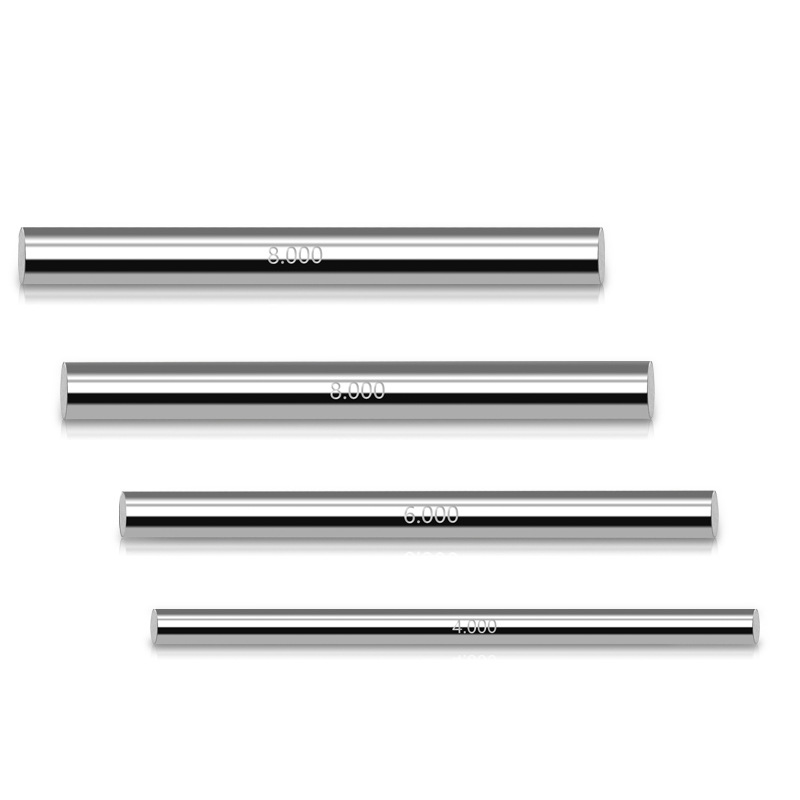
Understanding Standard Pin Gauges Essential Tools in Precision Measurement In the realm of precision engineering, accurate measurement is paramount. One of the essential tools used for this purpose is the standard pin gauge. Pin gauges are widely utilized in various sectors, including manufacturing, quality control, and mechanical engineering, to ensure that components meet stringent tolerances and specifications. In this article, we will explore the significance of standard pin gauges, their design, applications, and best practices for utilization. What is a Standard Pin Gauge? A standard pin gauge is a cylindrical rod, typically made of high-carbon steel or stainless steel, designed to check the size or diameter of holes and slots in various materials. These gauges come in standard sizes, which can be used to determine whether the measurements of a component fall within specified tolerances. Pin gauges are available in both go and no-go variants, allowing users to confirm that a hole is correctly sized. The go gauge should fit into the hole, while the no-go gauge should not. Design and Construction Standard pin gauges feature a simple yet effective design. They are usually formed into a set of rods, each varying in diameter, and are often calibrated to high standards to ensure precision. The ends of these gauges are often ground to a fine finish to provide a clear, accurate measurement. Additionally, some pin gauges might be coated or treated to enhance durability and resistance to wear. The sizes of pin gauges are standardized, with increments in diameter typically available from just a fraction of a millimeter up to several millimeters. This standardization ensures compatibility across different industries and sectors, making it easy for engineers and quality control personnel to communicate and understand specifications. Applications of Standard Pin Gauges Standard pin gauges have a variety of applications across different fields 1. Quality Control In manufacturing environments, pin gauges play a crucial role in quality assurance. They are used to verify that components meet dimensional specifications, helping to ensure that manufactured parts fit together correctly. 2. Assembly Processes During assembly, pin gauges can be employed to check for proper alignment and fitting of parts. This is particularly important in industries such as automotive and aerospace, where precision is critical. standard pin gauge 3. Toolmaking Toolmakers often use pin gauges to ensure that tooling and dies are manufactured to correct specifications. This is essential for ensuring the overall quality of production processes. 4. Calibration Pin gauges can also serve as reference standards used to calibrate other measuring instruments, helping maintain accuracy in various measurement systems. Best Practices for Using Standard Pin Gauges For effective utilization of pin gauges, consider the following best practices - Storage Always store pin gauges in a protective container to prevent damage. Moisture, dust, and other environmental factors can lead to degradation in accuracy and performance. - Cleaning Regularly inspect and clean pin gauges to remove any dirt or contaminants. This will help maintain their precision and extend their lifespan. - Calibration Checks Periodically check the calibration of your pin gauges against known standards to ensure ongoing accuracy. This is particularly important in high-precision environments. - Usage Technique When using a pin gauge, ensure that you insert it gently into the hole without forcing it. Forcing can lead to false readings or damage to both the gauge and the workpiece. - Go/No-Go Concept Always employ the go/no-go approach to facilitate quick and effective assessments of measurement tolerances. This method simplifies the process of determining whether a component is suitable for its intended application. Conclusion Standard pin gauges are indispensable tools in the field of precision measurement. Their simplicity, accuracy, and versatility make them suitable for a wide array of applications across different industries. Understanding how to use these gauges effectively can significantly enhance quality control processes and ensure that manufacturing meets high standards of precision and accuracy. By adhering to best practices for storage, cleaning, and calibration, users can maximize the utility and lifespan of pin gauges, contributing to overall operational efficiency. In a world where precision is crucial, standard pin gauges stand out as a reliable ally in achieving excellence in measurement.
-

High quality industrial productsagement

High quality industrial products
View Details -

Meet the diverse needs of customers

Meet the diverse needs of customers
View Details -

Strict quality control

Strict quality control
View Details -

Top raw materials

Top raw materials
View Details -

Trusted supplier

Trusted supplier
View Details
Our application

news and information
Water Pressure Regulation Valve for Efficient Flow Management and System Stability
Understanding Water Pressure Control Valves Water pressure control valves are essential components i
Water Pressure Regulation with Reliable Check Valves for Optimal System Performance
Understanding Water Pressure Check Valves Water pressure check valves are vital components in plumbi
Vanne anti-retour de haute qualité - Solutions fiables pour la gestion des fluides
Les vannes anti-retour Un élément essentiel dans les systèmes de plomberie Les vannes anti-retour
 English